
Table of Contents
Where Renovation Leftovers Usually End Up
Almost every home renovation leaves a little something behind. The flooring crew brings an extra box of planks in case a board gets damaged, the wallpaper order comes with a spare roll, and the tile job ends with half a carton stacked on a garage shelf. Most homeowners hang on to these extras for a good reason, because a future repair goes much smoother with material from the same production run.
Your Extra Brick Can Do More Than Collect Dust
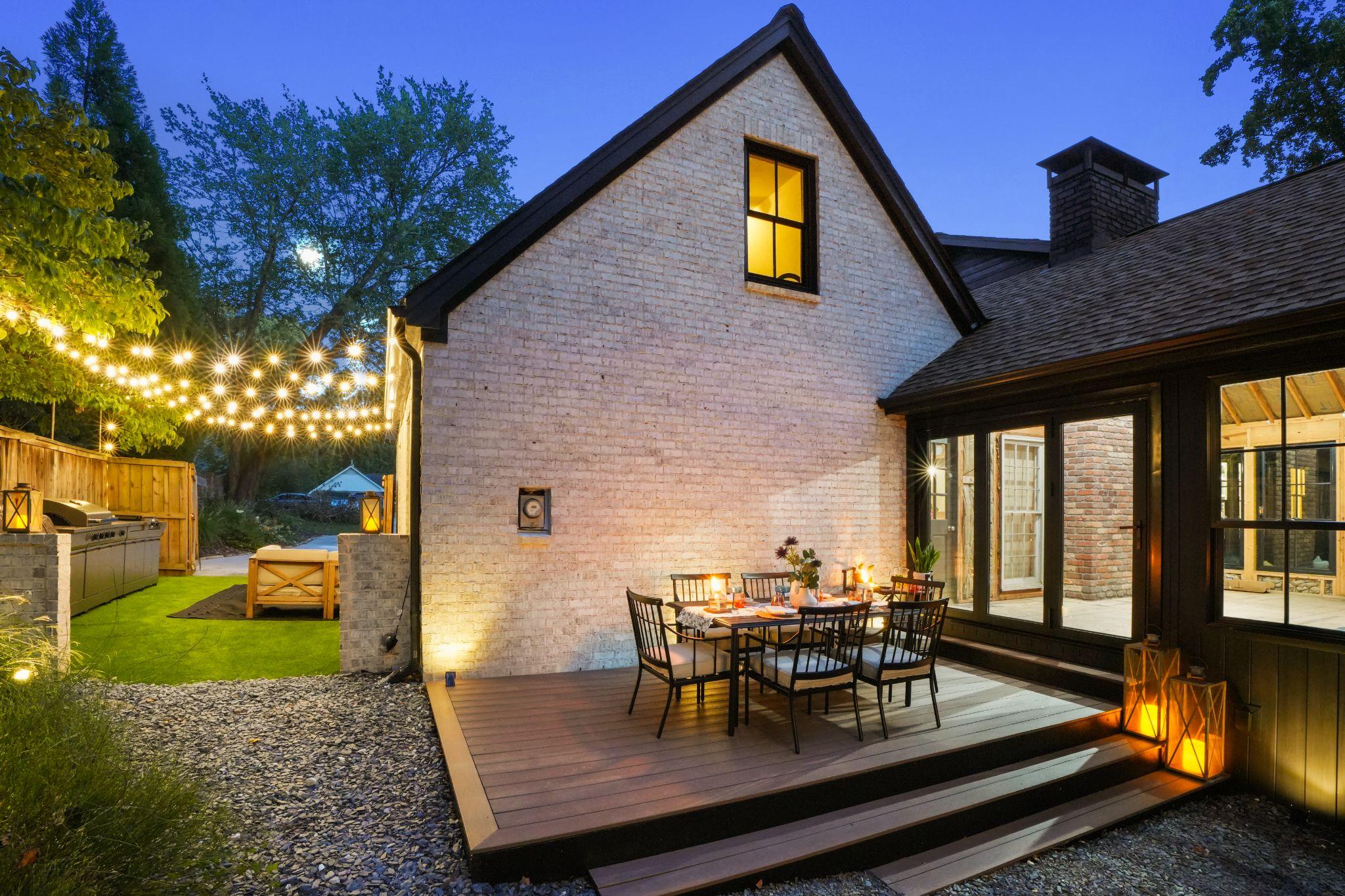
Brick usually gets the same treatment. A few dozen full-size bricks or a partial box of thin brick gets tucked into the attic or a corner of the garage, and five years later it’s still there under a layer of dust. Keeping a small stash for repairs makes sense, but you don’t need to save every last piece. Brick is durable; it holds up outdoors, and its color and texture already match your home, which makes it a great material for small projects inside and out.
Four Easy Leftover Brick Ideas to Try
The four projects below are small, mortar-free, and easy to finish in an afternoon, with two for your shelves and mantel and two for your front walk and garden. Start by scrubbing off any dirt or old mortar with a stiff brush and water, then let the brick dry completely.
Wear gloves, safety glasses, and a dust mask while you work, and lift heavier stacks with your legs. None of these projects call for cutting, and we recommend skipping it, since brick dust contains crystalline silica that’s harmful to breathe.
For anything larger, like a mortared fire pit, a garden wall, or a brick accent wall, hire a professional installer.
Interior Project: Brick Bookends
Bookends are the easiest way to start. A standard full-size brick weighs around four pounds, which is plenty to keep a row of hardcovers upright, and a pair of them on a shelf adds warm texture to a living room or home office. Leave them natural, wrap them in jute twine, or brush on a limewash that ties into your room’s colors, then add felt pads to the bottom so they won’t scratch the shelf. Thin brick works here too!
Interior Project: A Candle Display for Your Mantel or Shelf
Brick makes a sturdy riser for a candle grouping. Arrange three bricks at different heights, standing one on end and laying the others flat, and set a pillar candle on a glass or metal plate on top of each. Thin brick pieces make good bases for votives and tea lights on a narrow shelf where full-size brick would feel bulky. Brick won’t burn, but keep candles away from books, greenery, and anything else that can catch fire, and never leave a lit candle unattended.
Exterior Project: A House Number Display
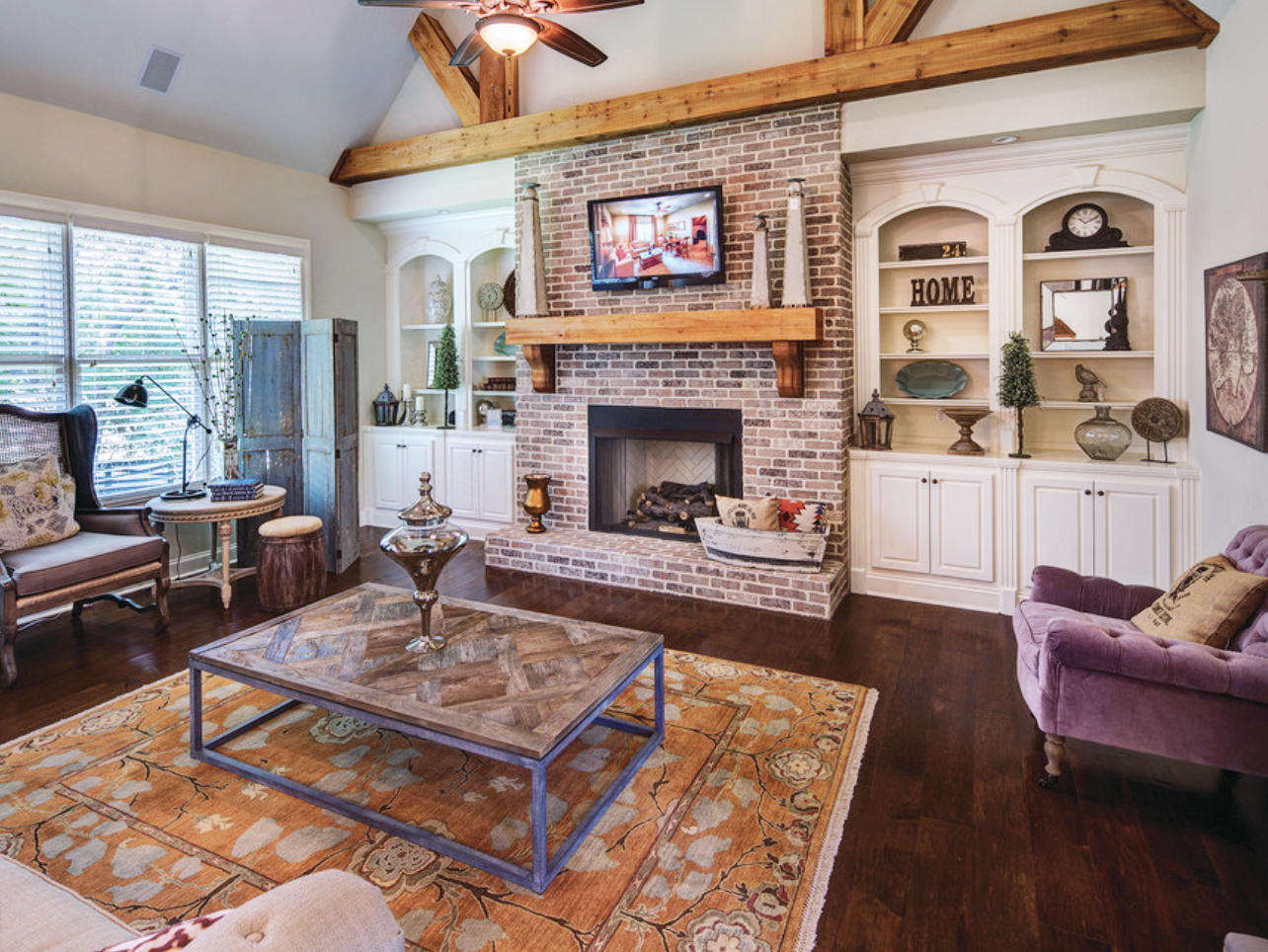
A brick house number marker by the front walk or mailbox makes your address easy to spot and ties the curb back to your home’s exterior. Stand a full-size brick on end, or line up one brick per digit, then add the numbers with a stencil and exterior masonry paint, or set metal numbers in outdoor-rated construction adhesive. For a plaque, glue thin brick pieces to a weather-treated cedar board, add the numbers, and set it at the edge of a flower bed. A coat of clear masonry sealer helps painted numbers last through Georgia summers.
Exterior Project: A Planter or Birdbath Base
Stack full-size bricks into a simple pedestal for a birdbath basin or a potted plant. Pick a level, firm spot in the garden, lay two bricks side by side, then turn the next layer 90 degrees and keep alternating so each layer locks the one below it. A bead of outdoor masonry adhesive between layers adds stability, and keeping the column under about two feet tall keeps it steady. Top it with a shallow basin or wide planter, and refill a birdbath every few days to keep the water fresh.
Plan Your Next Project with North Georgia Brick
Keep a few bricks for future repairs and put the rest to work, with bookends and a candle display for your shelves and mantel, and a house number marker and a planter or birdbath base for the front walk and garden. Each one is mortar-free and starts with clean, dry brick and the right safety gear, while bigger jobs belong with a professional installer. For more ideas, browse our design inspiration on Pinterest and visit a North Georgia Brick dealer at our Cartersville, Cumming, Lovejoy, or Newnan showroom to talk through your next brick project.
Frequently Asked Questions (FAQ)
Should I keep some leftover brick for repairs?
Yes. Color and texture can vary between production runs, so a few bricks from your original order make future repairs blend in much better.
Can I use thin brick for these projects?
Thin brick works well for the bookends, candle bases, and a house number plaque. For a planter or birdbath base, use full-size brick, since thin brick isn’t made to be stacked.
Do I need mortar for any of these projects?
No. All four projects are mortar-free and use either stacking, construction adhesive, or masonry adhesive to hold things in place.
Is it safe to cut leftover brick at home?
We recommend skipping it. Cutting brick releases crystalline silica dust, which is harmful to breathe, and none of these projects require a cut.
How do I clean leftover brick before using it?
Scrub off dirt and loose mortar with a stiff brush and water, then let the brick dry completely before painting, gluing, or stacking.
How tall should a stacked brick birdbath base be?
Keep it under about two feet tall and build it on level, firm ground, alternating the direction of each layer so the column stays steady.
When should I call a professional instead of doing it myself?
Any project that needs mortar or attaches to your home, like a fire pit, a garden wall, or a brick accent wall, should go to a professional installer. A North Georgia Brick dealer can point you in the right direction.