
The Heart of the Home: Where We Place Our Fireplaces
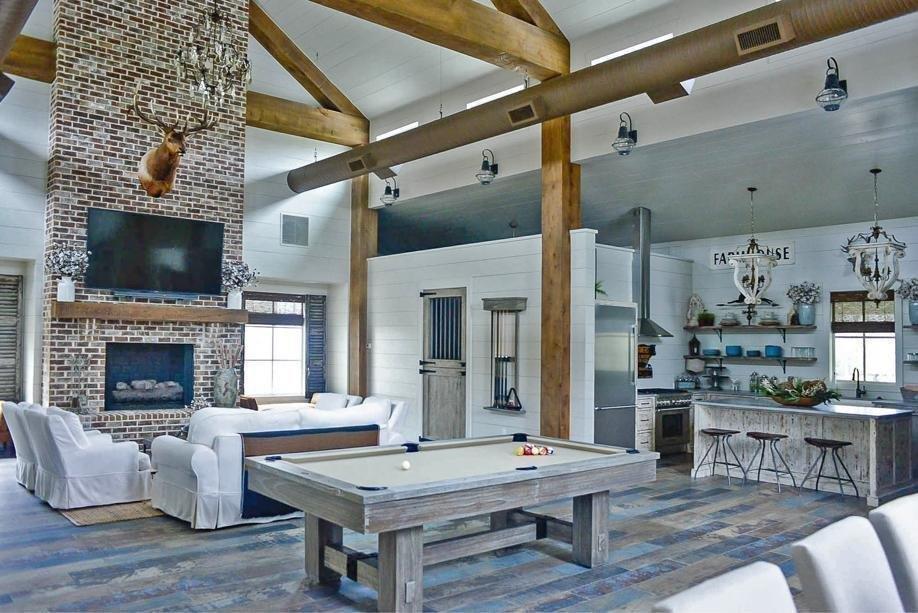
Whether tucked into a cozy bedroom corner or as a grand living room centerpiece, a fireplace defines your home’s soul. In North Georgia, classic brick hearths with timber mantels contrast newer floor-to-ceiling brick surrounds with a minimalist look. Wherever it sits, a fireplace provides more than warmth—it's your visual centerpiece and sets your design’s tone.
Defining the Vibe: The Evolution of Brick Design
Traditionally, we expect a fireplace to be a rugged, earth-toned feature that smells of woodsmoke and requires a bit of weekend labor to enjoy. However, modern designs have turned the brick fireplace into an effortless, high-tech architectural statement that prioritizes clean lines and instant heat. From the kitchen to the back patio, the location and style of your hearth often dictate the room's energy, shifting from a nostalgic gathering spot to a sleek, contemporary focal point.
5 Key Differences to Consider Between Traditional and Modern Fireplaces
Choosing between a nostalgic, crackling wood-burner and a sleek, button-operated masterpiece is a common crossroad for homeowners. It’s about more than just looks; it’s about how you live, how much maintenance you’re up for, and how you want to feel on a cold Tuesday night. To help you navigate this choice, here are five key things to consider when choosing the right brick fireplace for your home.
The Visual Aesthetics of Traditional and Modern Fireplaces
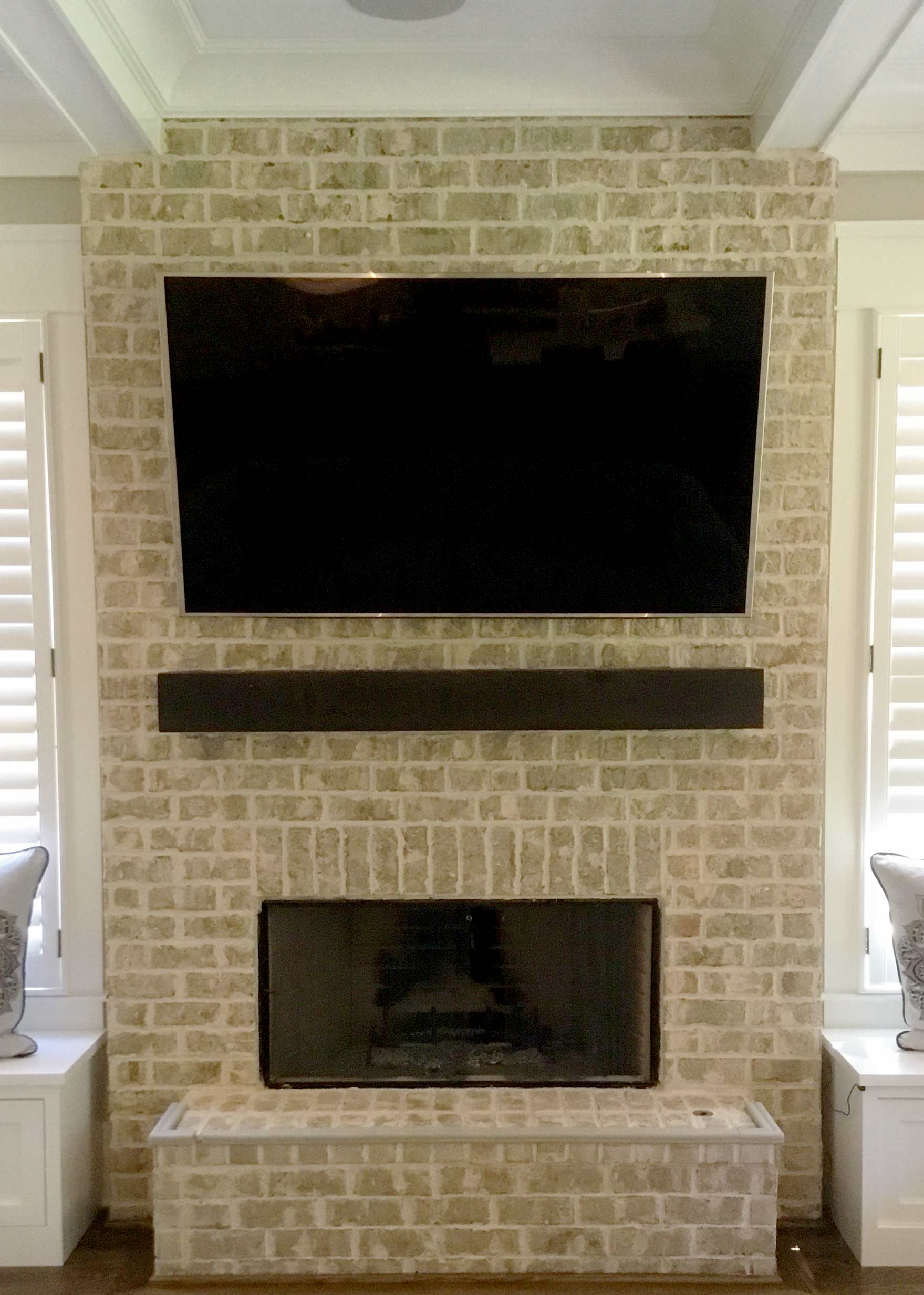
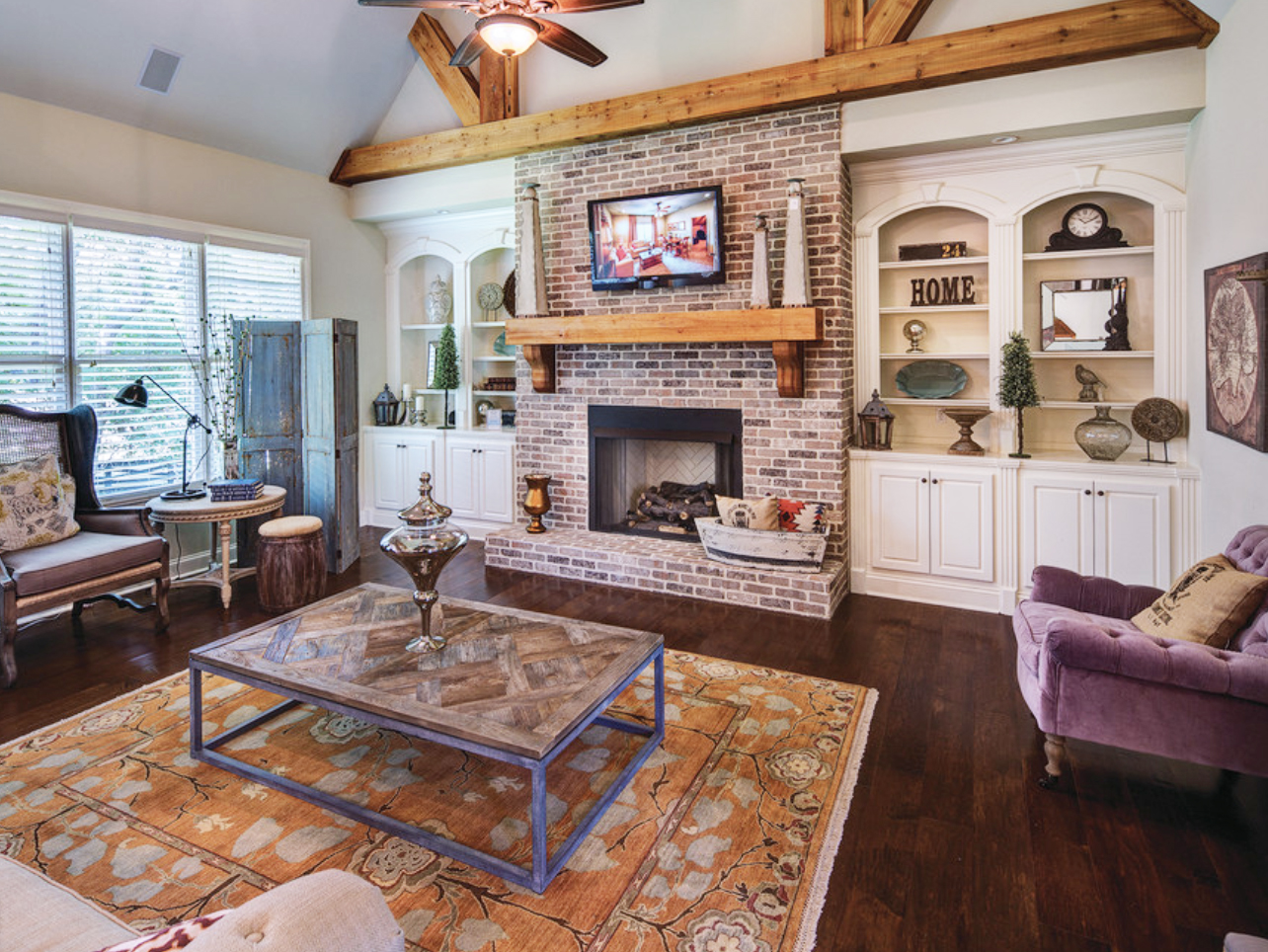
Traditional fireplaces feature textured red bricks and ornate mantels, offering a classic, historic look. Modern designs emphasize "Quiet Luxury" with thin white or charcoal bricks, linear shapes, and the absence of a mantel for a seamless, gallery-style wall. The choice will define whether your room feels cozy and nostalgic or sleek and minimalist.
Heat, Power, and Efficiency of Traditional and Modern Fireplaces
If you want actual heat output, modern units win for efficiency. Traditional open-hearth fires are mainly "mood setters"; they lose about 80% of the generated heat up the chimney, but their thick masonry provides thermal mass that slowly radiates stored warmth for hours. In contrast, modern brick units (especially gas inserts) act as high-efficiency heaters: they retain more heat in your room, often using thin brick veneers and internal fans that circulate heat more quickly.
Fuel Choice and Convenience
Do you love the ritual of hauling logs, building the perfect fire, and the scent of real woodsmoke? Traditional is for you. If you’d rather have instant fire via a remote control or smartphone app with zero cleanup, a modern gas or electric unit offers that effortless, "instant-on" convenience. Glass of wine not included!
Air Quality & Safety
Traditional wood fires release smoke and particulates into your indoor air. Modern units use "Direct Vent" technology, which is 100% sealed. This keeps your indoor air crisp and clean, making it a much better choice for families with allergies.
The Planning & Placement of your Traditional or Modern Fireplace
A traditional masonry fireplace is a heavy-duty commitment that is best decided on before you break ground on a new build, so the foundation can support the weight. If you’re looking to add some spark to an existing room or a second story, modern "zero-clearance" units are much lighter and can be tucked into almost any wall without a major structural overhaul.
Designing the Perfect Fireplace with North Georgia Brick
Finding the balance between timeless charm and modern convenience is the secret to a home you’ll love forever. Whether you want the textured history of a classic hearth or the streamlined efficiency of a contemporary design, we’re here to help you build it. Check out our Pinterest board for endless design inspiration, and visit any of our showrooms in Cumming, Cartersville, Doraville, Lovejoy, or Newnan to speak with our experts about designing the perfect fireplace for your home and lifestyle.
Frequently Asked Questions (FAQ)
Is a modern brick fireplace less "authentic" than a traditional one?
Not at all. While the heating technology is modern, using real brick or thin brick veneer on the exterior ensures you maintain that authentic, high-quality masonry feel.
Does the brick itself provide heat?
In traditional fireplaces, the "thermal mass" of the brick stores and radiates heat. In modern units, the brick stays cooler because the heat is mechanically vented into the room, making it safer for mounting TVs.
Do modern brick fireplaces require a chimney?
No. Many modern gas units can vent through a side wall, eliminating the need for a traditional vertical brick chimney.
Why are modern fireplaces often painted or monochromatic?
Modern design focuses on minimalism. A single color, such as white or black, emphasizes the brick's texture and the room's clean architectural lines.
Which style is better for resale value?
Both are excellent. Traditional is "timeless" for classic tastes, while modern is highly sought after by buyers looking for energy efficiency and low maintenance.
Can I add a traditional fireplace to a house that is already built?
It is possible, but it requires significant structural work to provide a proper foundation to support the masonry's weight. Modern units are often a more seamless fit for existing-home renovations.
Can I have a "modern" look with "traditional" wood burning?
Absolutely. You can choose a high-efficiency wood-burning insert and surround it with a sleek, floor-to-ceiling brick design to get the best of both worlds.