
The Aesthetics Behind Brick Patterns and Positions
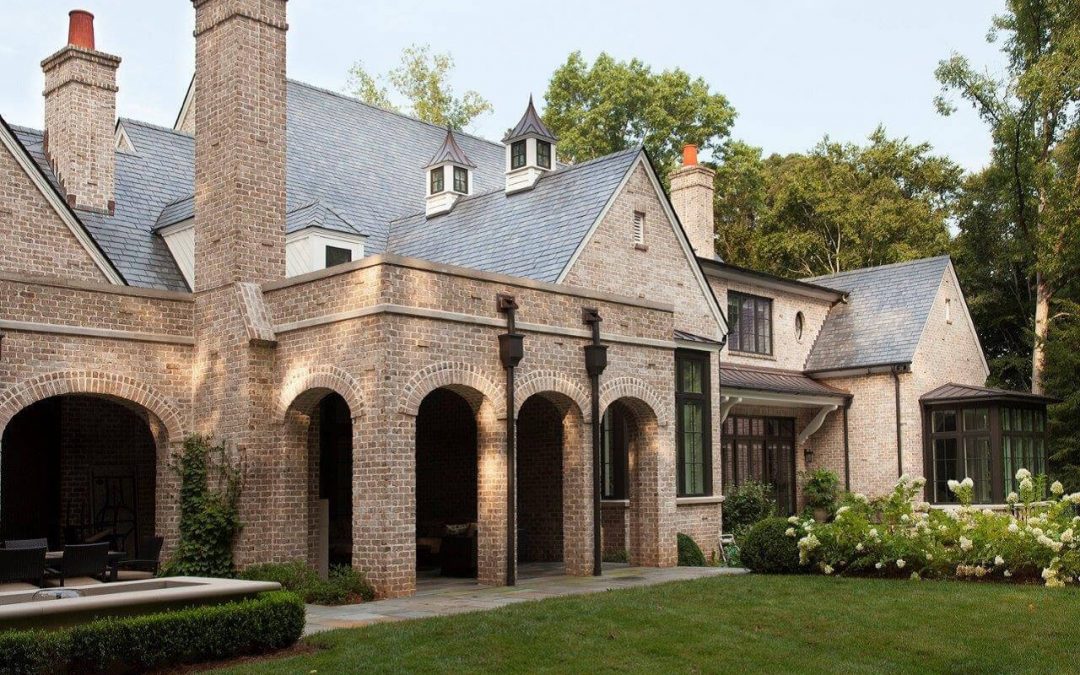
When homeowners and builders begin planning a custom project, the first detail they often focus on is the color—finding that perfect historic red or modern creamy white. But color is really just half the story in masonry. The true character of a building often comes from the pattern, the deliberate way skilled masons position each brick to create visual texture and even enhance weather resistance. It’s this often-overlooked detail that transforms a standard wall into a timeless, durable piece of architecture.
Understanding Brick Patterns
The intricate brick patterns that skilled masons and interior designers conceptualize and build are the details that really make a home unforgettable. When combined with a contrasting mortar color that highlights the outline of each brick, these eye-catching layouts are a timeless way to add visual interest to any facade. It’s incredible how rotating a simple rectangular block can completely change the look and feel of a structure!
Brick Terminology
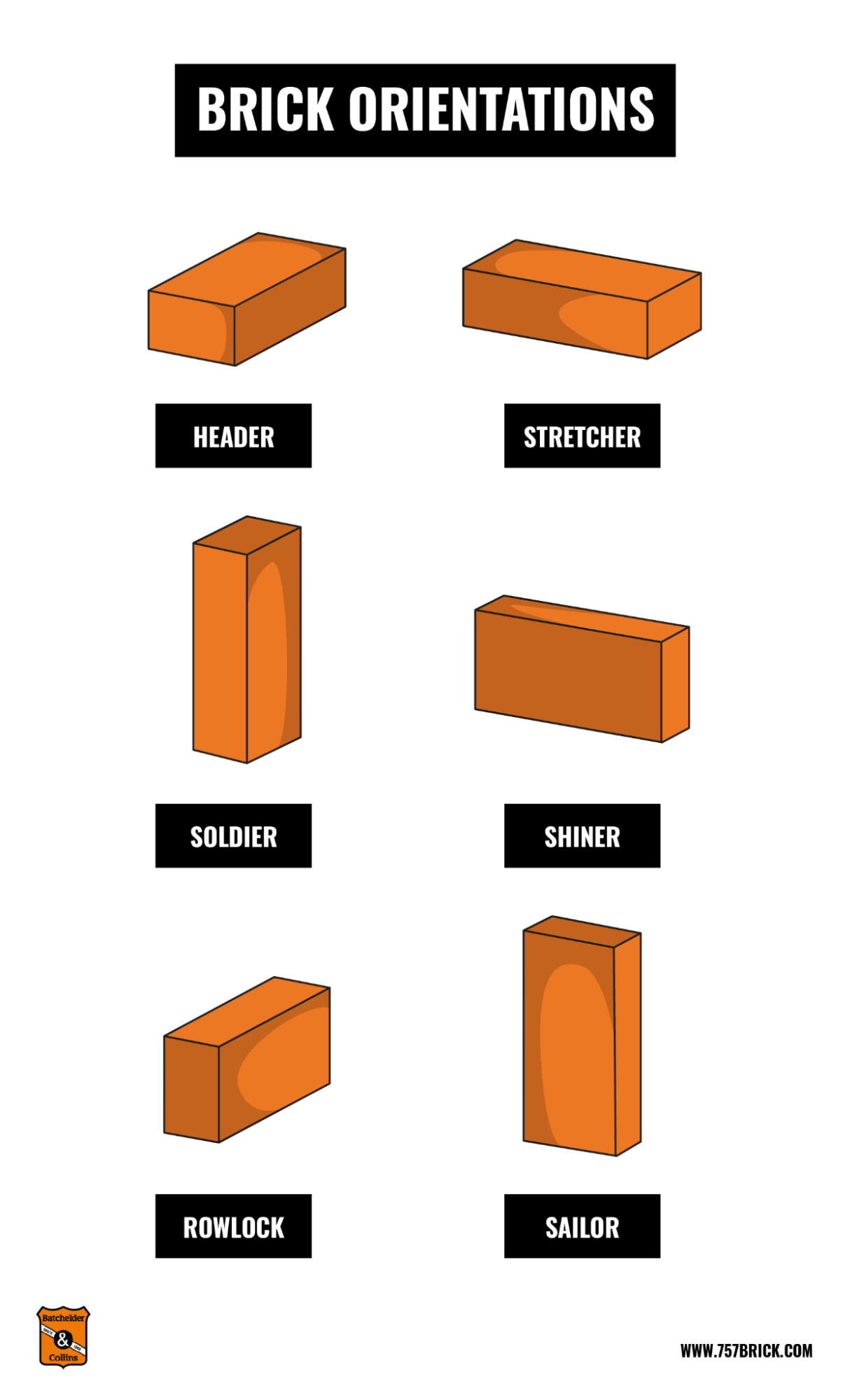
Before diving into the specific positions, it’s helpful to understand the terminology. A standard brick has six distinct “panels” or faces. Depending on how you rotate that brick, a different face is exposed to the world. By mixing and matching which faces are showing, masons, builders, and interior designers create the beautiful bonds and patterns we see today.
The Six Basic Brick Patterns and Positions
Here’s a guide to the six basic ways a brick can be oriented:
1. Stretcher
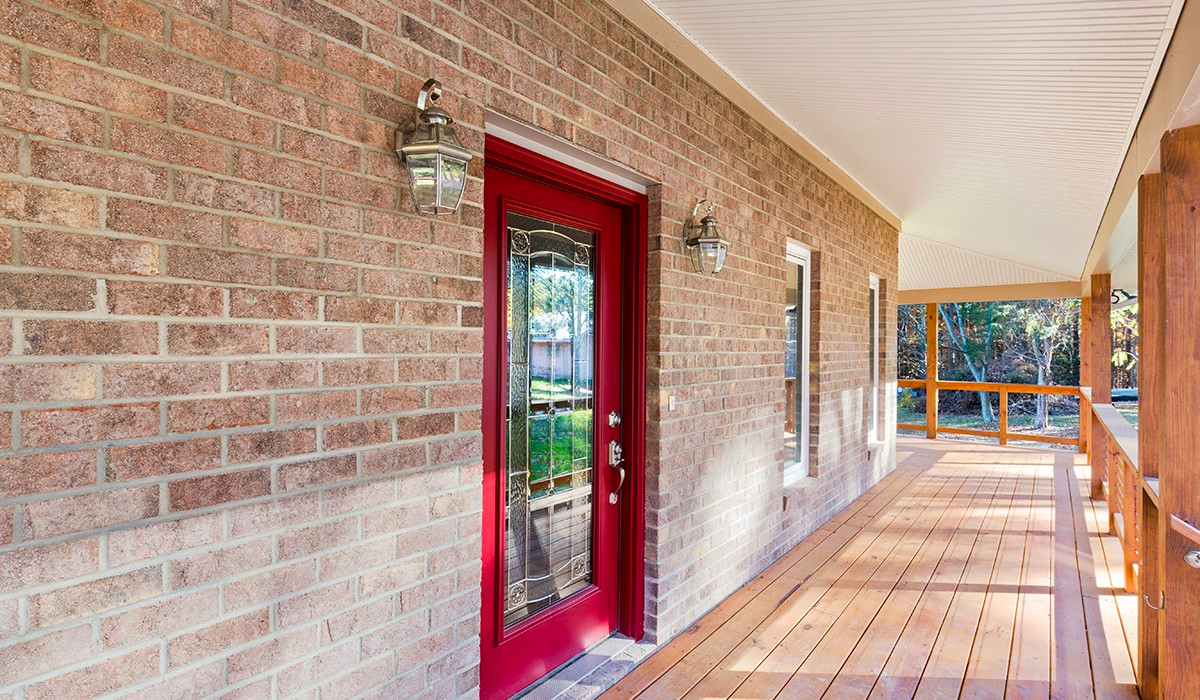
This is the classic, go-to position. When you look at a standard brick wall and see the long, narrow side of the brick laid horizontally, that is called a Stretcher. It’s by far the most common orientation in modern masonry, especially for exteriors.
- Why it’s popular: The Stretcher is incredibly versatile, efficient to lay, and creates a strong, stable wall. Its familiarity gives a sense of tradition and timelessness.
- Design Aesthetics: Found in almost every style, from traditional and colonial to modern and contemporary. It forms the basis for popular patterns like running bond, common bond, and stack bond, offering clean lines or subtle offsets.
2. Header
Sometimes, patterns call for the shorter “end” of the brick to face outward. This is called a Header. It’s laid horizontally, like a stretcher, but rotated so its smallest panel faces you. Headers have historically been crucial for tying multiple layers of brick together structurally, making them essential in thicker, load-bearing walls, primarily for exteriors.
- Why it’s popular: Historically for structural integrity; today, often for decorative accents or to create distinct patterns that highlight craftsmanship.
- Design Aesthetics: Commonly seen in more traditional and historical styles like English bond or Flemish bond, adding a touch of classic sophistication and texture.
3. Soldier
The Soldier position features a brick standing vertically on its end, so its longest side represents its height. Think of books standing upright on a bookshelf, with their spines facing outward toward you. Soldiers are used in both exteriors and interiors where a vertical emphasis is desired.
- Why it’s popular: Creates a strong vertical line, adding visual height and formal appeal. It’s excellent for borders, lintels (above windows/doors), or decorative courses.
- Design Aesthetics: Often found in more formal, classical, or even Art Deco designs. It provides a crisp, ordered look, perfect for defining architectural elements.
4. Rowlock
If you take a Header (the small end facing out) and turn it on its side so the long dimension of that exposed end is now vertical, you have a Rowlock. These are frequently seen for practical and aesthetic purposes on exteriors, particularly in specific architectural features.
- Why it’s popular: Excellent for capping walls, creating durable sills under windows, or forming elegant arches. Its orientation helps shed water effectively.
- Design Aesthetics: Adds a robust, craftsman-like detail, often used in traditional, Tudor, or rustic styles for window sills, coping on low walls, or rounded edges on steps.
5. Shiner
If you turn the brick so that its largest, broadest panel (the “bed”) is facing outward horizontally, it’s in the Shiner position. Because this exposes so much surface area and isn’t as deep in the wall, it is rarely used for primary structural support but is popular for decorative bands and accents, perfect for both exteriors and interiors.
- Why it’s popular: Provides a distinct visual break or band in a wall, drawing attention with its larger, smoother surface. It’s purely aesthetic for a different texture for places like a kitchen backsplash or accent walls.
- Design Aesthetics: Used for decorative courses, banding, or sometimes in paving, adding a subtle yet impactful textural variation in traditional, contemporary, or even minimalist designs.
6. Sailor
Finally, if you take that Shiner position and rotate it 90 degrees so it’s standing vertically, you have a Sailor pattern. Like the Soldier, it stands tall, but it exposes the brick’s broad face rather than its narrow spine. This dramatic orientation is used for impactful decorative elements in both exteriors and interiors.
- Why it’s popular: Creates a bold, vertical visual statement with a significantly larger brick face exposed than the Soldier, emphasizing the material’s color and texture.
- Design Aesthetics: Ideal for strong architectural statements, such as decorative panels, prominent pilasters, or accent bands in a variety of styles, from traditional to contemporary, to maximize visual drama.
Crafting Your Home’s Unique Look with Brick
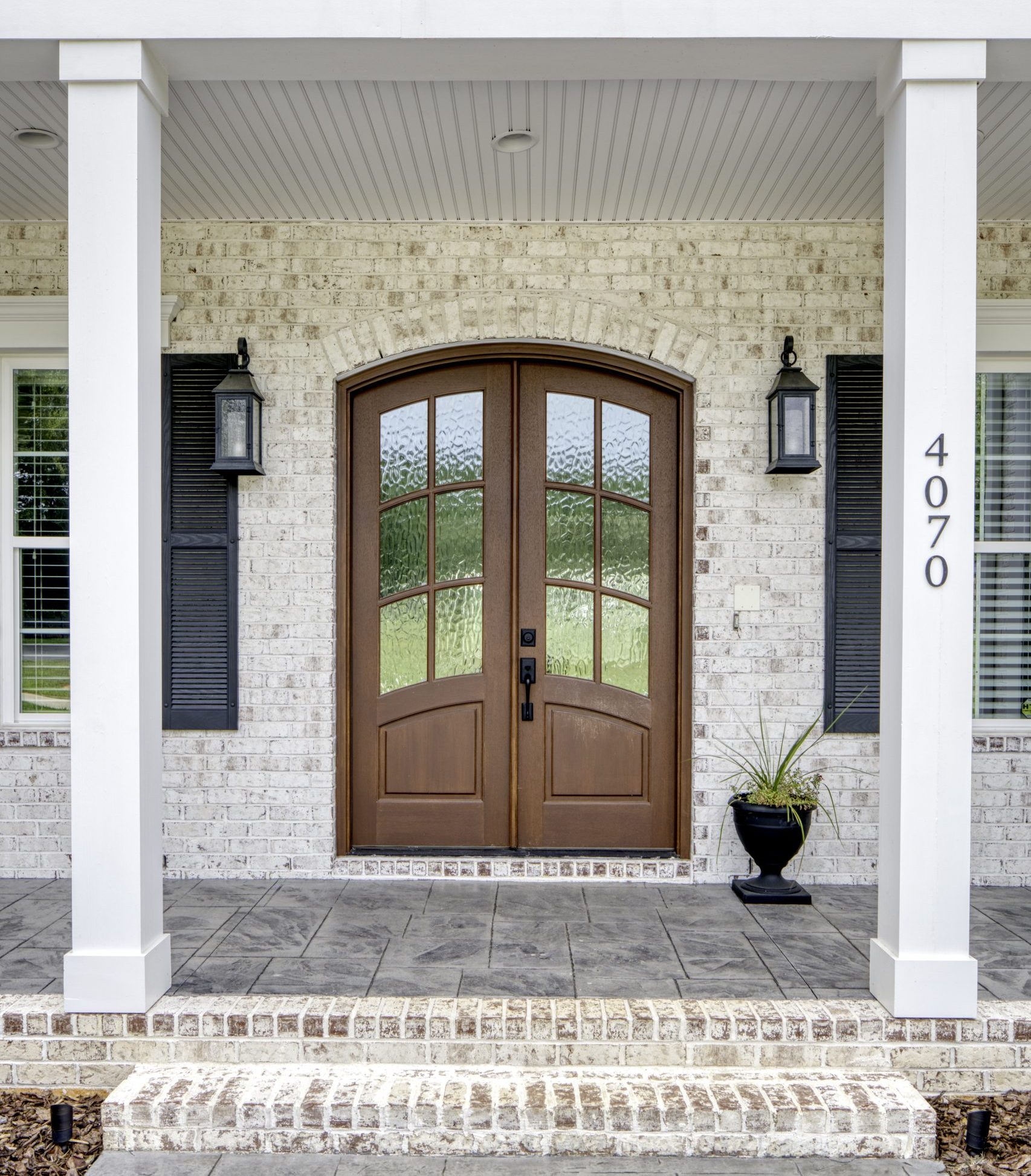
The beauty of masonry truly lies in its endless possibilities. By understanding these six fundamental brick positions—Stretcher, Header, Soldier, Rowlock, Shiner, and Sailor—you unlock a world of design potential. From creating subtle textures to dramatic focal points, the combination of these positions, along with an array of gorgeous brick colors and contrasting mortar options, means your home’s exterior (or interior!) can be as unique as you are.
Design Inspiration & Contact Us
For design inspiration, visit our Brick Trends to Refresh Your Home Pinterest board. We’ve curated examples of both interior and exterior brick patterns, using different colors and mortar choices, that showcase how these basic positions can transform any space. For patterns specific to your brick project, visit any of our experts at our showrooms in Cumming, Cartersville, Doraville, Lovejoy, or Newnan. Our team is ready to walk you through the options and help you select the perfect patterns for your project!
Frequently Asked Questions (FAQ)
|
What makes a brick position “popular” for home exteriors? |
The Stretcher is the most popular, especially for exteriors. It’s versatile, efficient to lay, creates strong walls, and offers a classic, timeless appearance. |
|
Do different brick positions affect how strong a wall is, or is it just for looks? |
It’s both. Stretchers and Headers are crucial for structural bonding, tying wall layers together for strength. Other positions, such as Shiners or Sailors, are often chosen for their decorative impact in veneers. |
|
Can I combine different brick positions to create a unique design? |
Yes, absolutely! Combining positions creates unique patterns, such as the Flemish Bond with Headers and Stretchers, or Soldier courses for distinctive borders. This interplay is key to custom masonry. |
|
Which brick positions are best for adding a unique architectural detail? |
For unique details, consider Soldiers for vertical emphasis (e.g., above windows), Rowlocks for durable sills or caps, or Shiners and Sailors for bold decorative bands and textures. |
|
Are certain brick positions better suited for interior accent walls versus exteriors? |
Many positions work for both. Soldiers or Sailors create striking interior accent walls, while all six positions are used extensively on exteriors for both structural and design reasons. |
|
Where can I find examples of these brick patterns and positions in real-world applications? |
Visit our Pinterest page and our “Brick Trends to Refresh Your Home” board. You’ll find diverse interior and exterior examples highlighting these patterns with various colors and mortars. |